55 Years of the Four Power Agreement – Power and Freedom in Divided Berlin

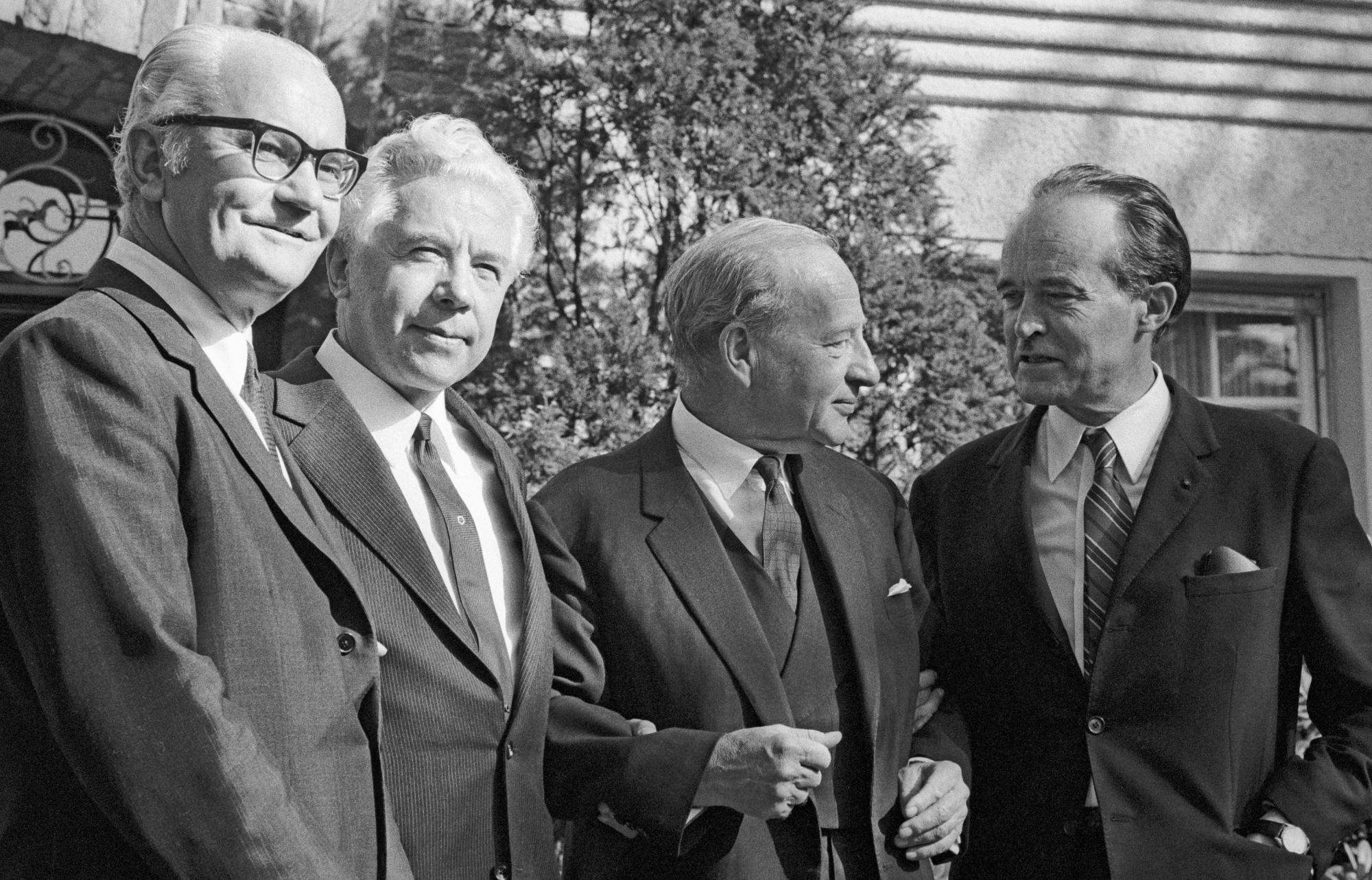
On paper, the Four Power Agreement on Berlin, concluded on 3 September 1971, runs to around one and a half pages, plus annexes. It was preceded by lengthy negotiations between the Western Allies and the Soviet Union, during which questions of power and precise wording were fiercely contested.
The political decisions had a profound impact on the lives of people in the divided city, affecting, for example, opportunities to visit relatives and friends, educational and career paths, and the availability of essential supplies.
When the Federal Republic of Germany regained its sovereignty in 1955, West Berlin remained under occupation status. West Berliners’ freedom of movement was severely restricted, and the construction of the Berlin Wall in 1961 further exacerbated the situation. Unlike people living in West Germany, they were left with virtually no opportunity to enter the eastern part of the city.
The Berlin Agreement regulated civilian passenger and goods traffic between West Berlin and the Federal Republic of Germany. That same year, it paved the way for the Transit Agreement, which eased travel restrictions for West Berlin’s approximately two million inhabitants. The Four Power Agreement also contained provisions governing relations between the Allies.
At the event, historians will place the agreement in its academic and historical context, while eyewitnesses will speak about their personal experiences of freedom and its restriction in Berlin in the early 1970s. What matters did the agreement regulate, and which questions did it leave unresolved—deliberately or otherwise? What changes did it bring for the population of (West) Berlin, particularly with regard to freedom of movement? How were its provisions interpreted and applied by the Eastern side? To what extent did the agreement help ease tensions in the East-West conflict? And what lessons can be drawn from the Berlin Agreement for present-day conflicts involving power politics?
Free admission. Doors open from 17:30.
In German.
Location:
Bundesstiftung zur Aufarbeitung der SED-Diktatur
Kronenstraße 5
10117 Berlin
Accessibility information: https://www.bundesstiftung-aufarbeitung.de/de/veranstaltungen/barrierefrei